Journal / Words and details
The first take and the first step: Leave It As It Is and It Worked
In one song, two people try playing in the kitchen and return to their first take. In another, a character steps onto the dance floor and finds a way to move. Both scenes keep the pleasure of beginning, when joining in already feels good and there is still more to try.
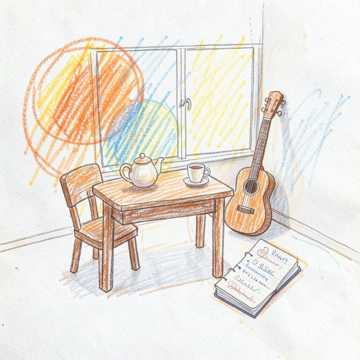
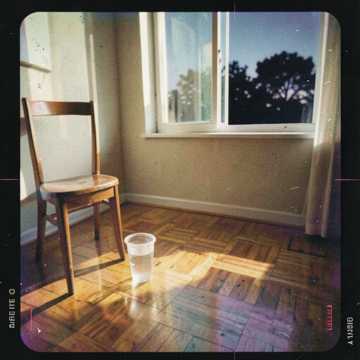
Leave It As It Is: keeping the first take
A guitar, notes, tea, laughter between the lines: an ordinary kitchen holds the whole scene. Two people try a song, compare attempts and decide to return to their first take.
The details of making something together hold our attention. One person plays, the other responds; a smile appears and they keep going. The first take matters because of what happened between them as they played.
The title Leave It As It Is becomes a specific decision within the scene. This is the attempt they want to keep, with its mood and shared laughter.
The song’s story page takes a closer look at the kitchen scene and the details that give it shape.
It Worked: finding a way to move
The album’s final scene moves to the dance floor. The character starts by the wall, then tries a sequence: a step, a pause, a movement of the shoulders, a turn.
The sequence gradually becomes familiar. A successful attempt brings a simple pleasure: the move worked, and it feels worth doing again. There is room to add something of your own or invite a friend to try it together.
The scale stays personal and familiar. Someone notices a small success of their own and carries on. This movement closes the album Pass It On, leaving room for the next step.
How to join in
In both songs, a response gives the first attempt a way to continue. In the kitchen, the characters listen to each other. On the dance floor, the character discovers what they can already do.
Both situations are fictional scenes from the songs. You can read them separately, compare their details or explore them as parts of one album.
The site also has small games inspired by these scenes. One asks you to recognise the first visual take; the other offers a sequence of moves to remember. They continue the songs’ actions and offer a simple way to join in.
Start with whichever situation feels closer: making a song together in the kitchen or taking a first step to the music. Then discover where the album’s other four songs lead.